
Extended time at home — whether due to illness, mobility limitations, or simply the realities of aging — can take a real toll on mental health. Isolation among seniors is linked to higher rates of depression, cognitive decline, and even physical health problems. Staying engaged matters as much as staying physically safe.
Why Isolation Is a Real Health Risk
Loneliness isn't just an emotional state — research consistently links social isolation in older adults to increased risk of heart disease, weakened immune function, and faster cognitive decline. For homebound seniors, this risk is especially high, since the natural opportunities for social contact that come with leaving the house disappear.
Practical Ways to Stay Connected
- Regular phone or video calls with family members, scheduled consistently rather than left to chance.
- Simple daily routines — a morning coffee ritual, a favorite radio program, a regular call with a friend — that give structure to the day.
- Hobbies adapted to ability, whether that's reading, puzzles, gardening from a chair, or crafts.
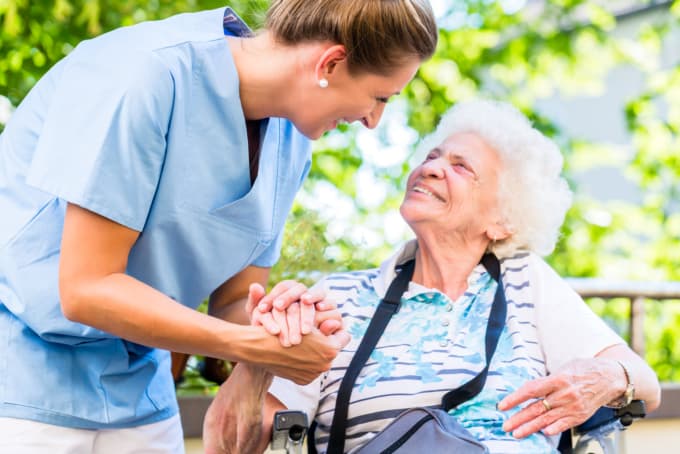
- Companionship from a caregiver, who provides not just practical help but consistent, friendly daily interaction.
- Pets, where appropriate, can provide comfort and a sense of purpose.
The Role of a Home Health Aide
Beyond personal care and household help, a good home health aide provides genuine companionship — conversation, shared activities, and a familiar, friendly presence throughout the day. For many isolated seniors, this social contact is as valuable as the practical assistance.
Ideal Home Health caregivers support clients across Brooklyn, the Bronx, and New York City with both hands-on care and consistent companionship. Contact us to learn how in-home care can help a homebound loved one stay connected and engaged.