
New York winters are hard on everyone, but seniors face real medical risks from cold exposure that younger adults usually don't — including hypothermia, which can set in faster and at higher indoor temperatures than most people expect. Older bodies regulate temperature less efficiently, and some medications make it worse. A few precautions go a long way.
Dress for the Weather — Indoors and Out
Layering matters more than any single heavy coat. A hat, scarf, and gloves are essential outside, since a large share of body heat is lost through the head and extremities. Indoors, keep a sweater or light layers on hand even with the heat running — thermostat settings that feel comfortable to a younger adult can still leave an older body chilled.
Watch for Wet Clothing
Snow that melts on a coat after coming inside can soak through to skin, dropping body temperature further and increasing fall risk on wet floors. Getting out of damp outer layers promptly is a simple habit worth building.
Nutrition and Body Weight
Maintaining a healthy body weight helps the body retain heat more effectively. Regular, balanced meals matter more in winter than people often realize — skipping meals to "save trips outside" is a common but risky habit among seniors living alone.
Know the Warning Signs
Confusion, slurred speech, drowsiness, and shivering that won't stop can all signal hypothermia, even indoors in a poorly heated apartment. If you notice these signs in a loved one, seek medical attention — don't wait to see if it passes.
Check Heating and Home Safety
Make sure heating systems are working properly before the cold sets in, and that space heaters (if used) are placed safely away from anything flammable and never left running unattended overnight.
How a Home Health Aide Helps
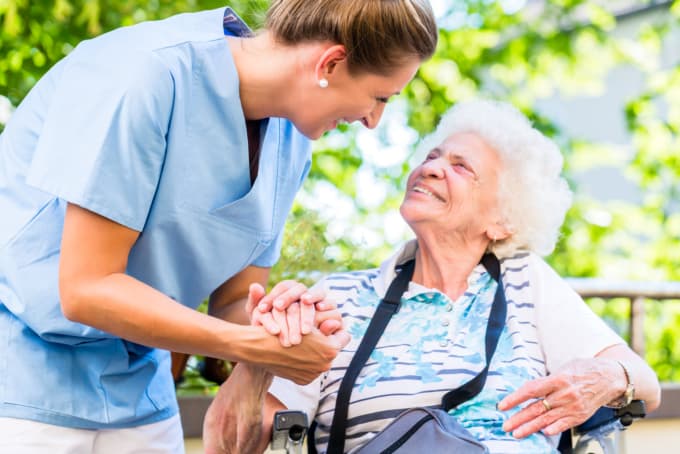
A caregiver can help with everything from proper dressing before a doctor's appointment to keeping an eye on indoor temperatures and nutrition day to day. For seniors living alone in Brooklyn, the Bronx, or elsewhere in NYC, that regular check-in is often what catches a problem early.
If you're concerned about a loved one managing safely through the winter, reach out to Ideal Home Health to discuss in-home care options.