
A stroke happens when blood flow to part of the brain is interrupted — either blocked by a clot (ischemic stroke, the most common type) or caused by bleeding in the brain (hemorrhagic stroke). Without oxygen, brain cells begin dying within minutes, which is why fast recognition and emergency treatment directly affect how much function a person recovers.
Recognizing the Signs: Think F.A.S.T.
- Face drooping. One side of the face may droop or feel numb. Ask the person to smile — an uneven smile is a warning sign.
- Arm weakness. One arm may feel weak or numb. Ask the person to raise both arms — if one drifts downward, that's significant.
- Speech difficulty. Speech may be slurred or hard to understand, or the person may struggle to speak at all.
- Time to call 911. If you observe any of these signs, call emergency services immediately. Note the time symptoms started — it affects treatment options.
Other symptoms can include sudden confusion, trouble seeing in one or both eyes, sudden severe headache, or difficulty walking. Every minute matters — this is a medical emergency, not a "wait and see" situation.
What Happens After a Stroke
Depending on which part of the brain was affected and how quickly treatment began, recovery can involve challenges with mobility, speech, swallowing, memory, and emotional regulation. Some effects improve significantly with rehabilitation; others are more lasting.
Life After a Stroke: Recovery at Home
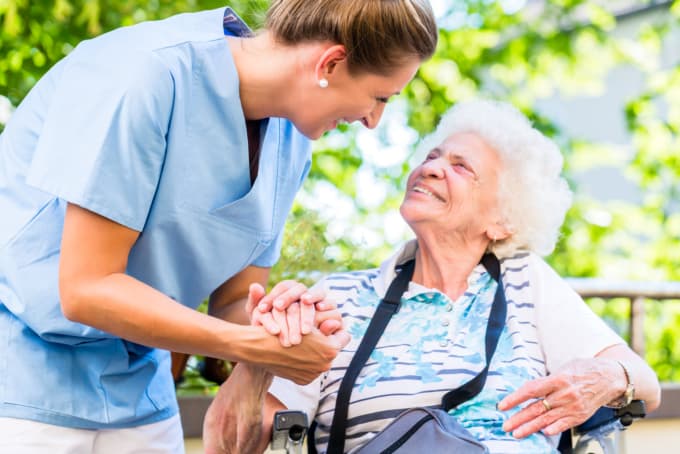
Once a stroke survivor is discharged from the hospital or a rehabilitation facility, the transition home is a critical period. A home health aide or visiting nurse can support:
- Mobility assistance and fall prevention as strength and balance recover.
- Medication management, since post-stroke medication regimens are often complex.
- Assistance with daily activities that may be temporarily or permanently more difficult.
- Coordination with physical, occupational, and speech therapy schedules.
Ideal Home Health provides post-stroke home care support throughout Brooklyn, the Bronx, and New York City, with licensed visiting nurses and trained home health aides. Contact us to discuss a recovery plan for you or a loved one.